
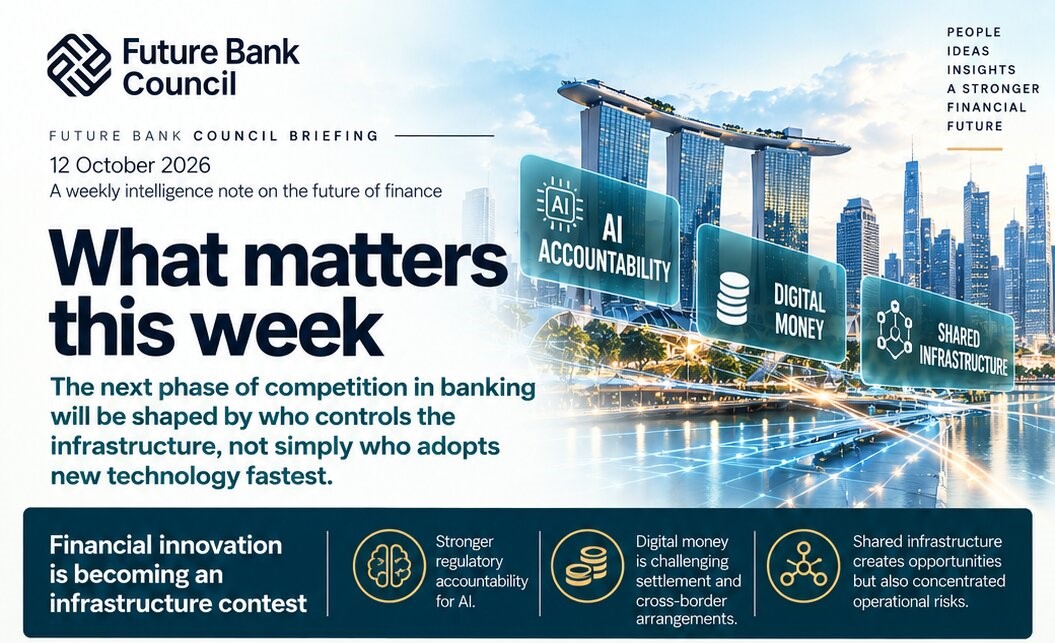
This month’s briefing deck examines how rising AI costs, compute choices and vendor concentration are reshaping banks’ model sourcing, resilience and build-versus-buy decisions.

We think the past week undercuts the assumption that stablecoins are on an inevitable path to disintermediate banks. The Federal Reserve proposed bank-friendly stablecoin rules. Canada's Big Six banks agreed to build shared tokenised-deposit infrastructure together, and Deutsche Bank moved to custody the coins it once dismissed. Incumbents are racing to make regulated money the default rail. That perimeter is not closing everywhere, though. Bangladesh handed a telecoms group a full banking licence this week, and Kenya moved to force banks to open their customer data.
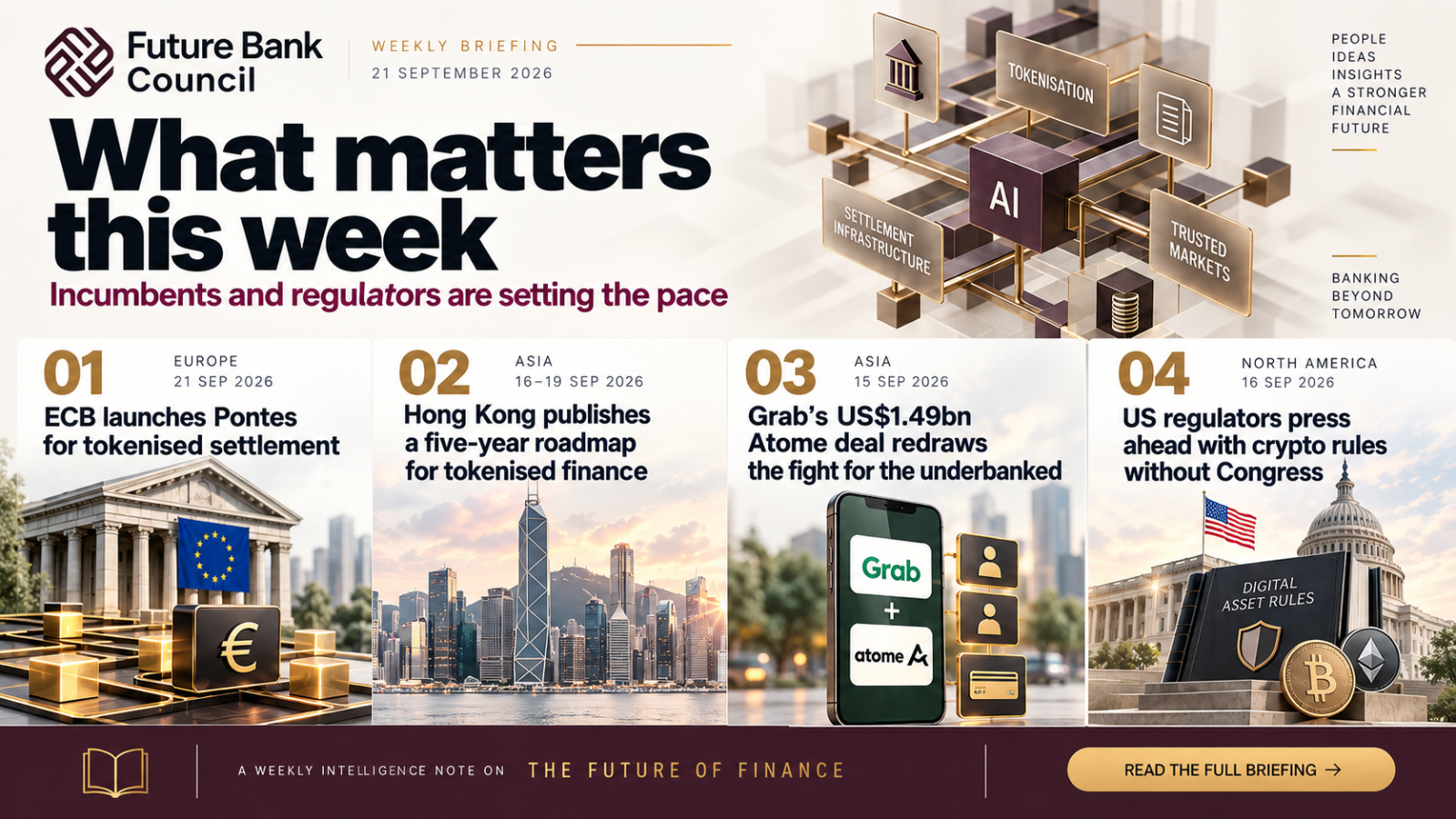
The institutions setting the terms for tokenised and artificial-intelligence-native finance this week were not the challengers. They were the incumbents and their regulators, each moving on a timetable of its own choosing rather than the market's. A central bank launched settlement infrastructure it built itself. Two American regulators said they would write crypto rules without Congress. A neobank opened a stablecoin-linked US account before its banking charter had cleared. None of this waited for consensus, and banks that are still waiting for one are already behind.
We think this week shows that banking's fastest-growing frontier is now regulatory access, not invention. Crypto-native start-ups and global consumer banks alike are being handed the same full charters, licences and central bank rails that incumbents spent a century building, while the underlying technology itself is not new. What has changed is that supervisors are now willing to stamp it, and banks that treated tokenisation and stablecoins as someone else's experiment are discovering the licensing queue has a limit.
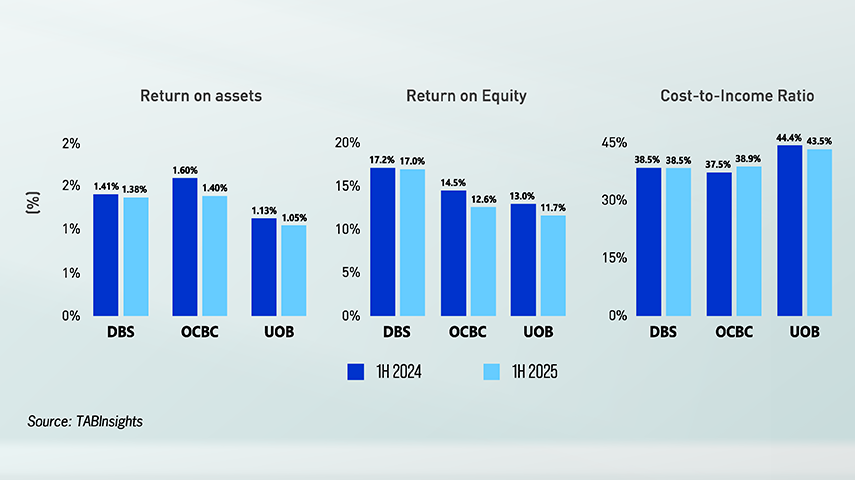
DBS, UOB and OCBC are converting strong deposit bases into flow-driven income, each scaling this shift differently through infrastructure, regional connectivity and integrated wealth and insurance platforms across Asia Pacific.
Regulated digital money is shifting from trials to early production as major banks including HSBC, JP Morgan and Standard Chartered move towards interoperable, compliant settlement systems operating alongside existing rails.
Singapore’s largest banks are shifting from margin-driven profits to growth anchored in wealth, regional connectivity and sustainable finance—building a model designed for resilience across market cycles.
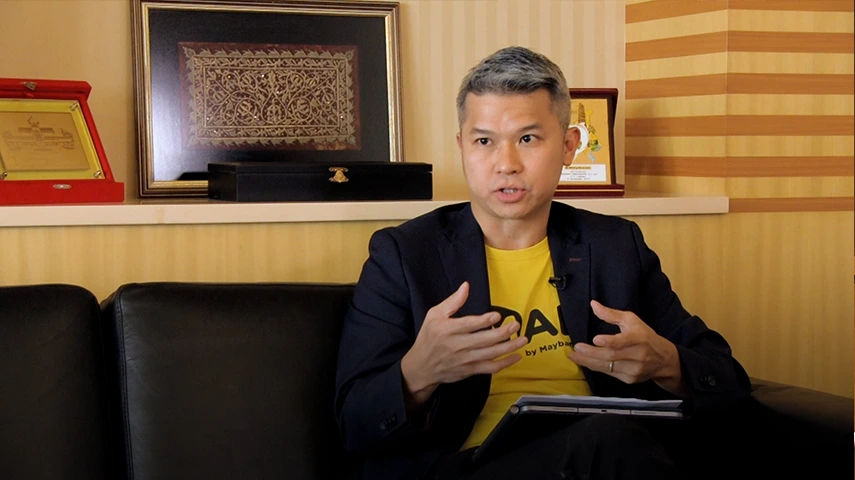
Siew Chan Cheong, group chief strategy and transformation officer at Maybank, discussed how the bank leverages digital innovation and strategic partnerships to enhance customer experience and drive sustainable growth.
DBS’ Business Advance+ card will streamline cross-border transactions, alongside its StartUp Movement to provide targeted financial and business support for small businesses in Singapore
China’s retail banking sector faces regulatory and macroeconomic pressures that are lowering revenues and profits, with banks turning to AI and technology to boost growth and customer engagement